AI-Driven Game Development: The Making of Game
Explore the making of a game using AI—discover innovative game development processes, design tips, and creation tools that redefine video games.
July 20, 2026 · Product News
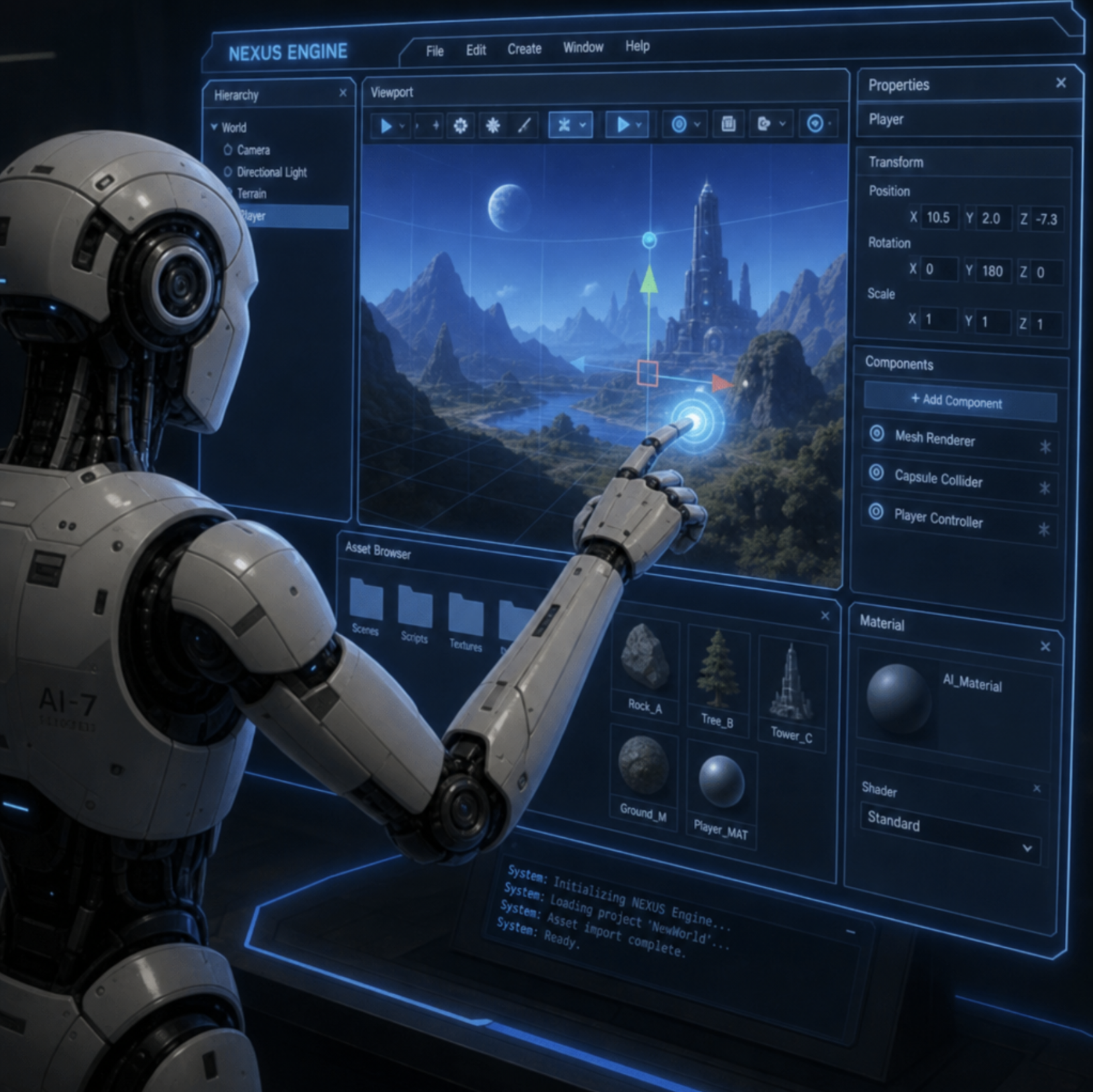
## Making of Game: Using AI to Develop a Game
Have you ever dreamed of designing your own virtual world, but felt held back by a lack of coding knowledge or artistic skill? The traditional making of game projects used to require huge teams, massive budgets, and years of specialized training. Today, a revolutionary shift is happening. By leveraging artificial intelligence, solo developers and small teams are unlocking new ways of creating video games from the ground up.
But is it actually possible to rely only on AI to develop a game? For solo creators, the making of game end-to-end becomes realistic thanks to modern game creation tools and AI-driven game development.
In this comprehensive guide, we will explore how AI is completely transforming the game development process . From the initial spark of an idea to the final release, we will walk through exactly how you can use modern AI to handle every single phase of building a game.

## Phase 1: Pre-Production and Planning
Before you write a single line of code, you need a solid blueprint. The pre-production phase is where you establish your game design basics and map out the player's journey.
### Crafting the Blueprint with AI
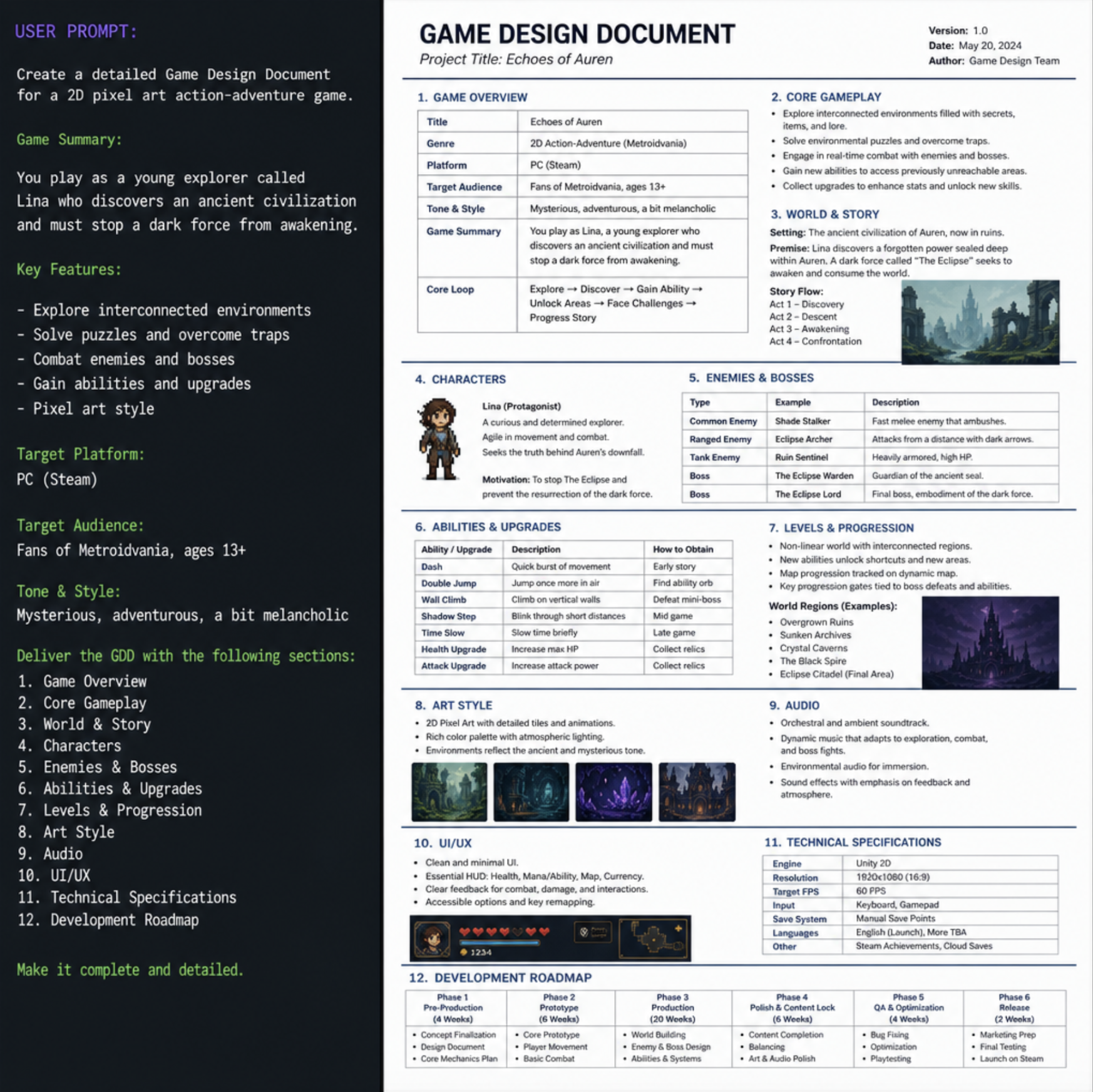
Traditionally, figuring out how to write a game design document (GDD) can be a daunting, weeks-long task. Now, Large Language Models (LLMs) like ChatGPT or Claude can act as your co-designer. You can feed the AI your core premise, and it will generate a comprehensive GDD, including core loops, feature sets, and monetization strategies.
When establishing your game's world, AI is exceptional at generating video game narrative and branching storylines. You can prompt the AI to create intricate lore, deep character backstories, and multiple dialogue options that adapt to player choices.
### Financial Planning
One of the biggest hurdles for small teams is budgeting for independent studio projects. By utilizing AI for planning, you can drastically reduce the need to hire freelance concept artists and writers early on. The AI can help you outline exactly what assets you need, estimating timelines and keeping your project scope realistic.
## Phase 2: Production and Prototyping
Once the planning is done, you enter the active stages of the video game development cycle. This is where AI truly flexes its muscles as a technical assistant.
### Choosing Your Engine and Coding
If you are new to the industry, you might be stuck debating unity vs unreal engine for beginners. AI can analyze your GDD and recommend the best engine based on your game's genre (e.g., Unity for 2D mobile, Unreal for 3D high-fidelity).
Once you choose an engine, you can use AI coding assistants like GitHub Copilot or ChatGPT to start coding. You no longer need to memorize complex syntax to start prototyping core gameplay mechanics. Simply ask the AI to "write a C# script for a first-person player controller with double jump capabilities," and you will have a working prototype in minutes.
- Actionable Tip: Don't ask the AI to code the entire game at once. Break it down. Ask for a movement script first, then an inventory system, and piece them together.
## Phase 3: Art, Animation, and Visuals
In the past, high-quality art was the ultimate bottleneck in game development . Today, AI game creation tools are changing the visual landscape.
### Conceptualizing and Modeling
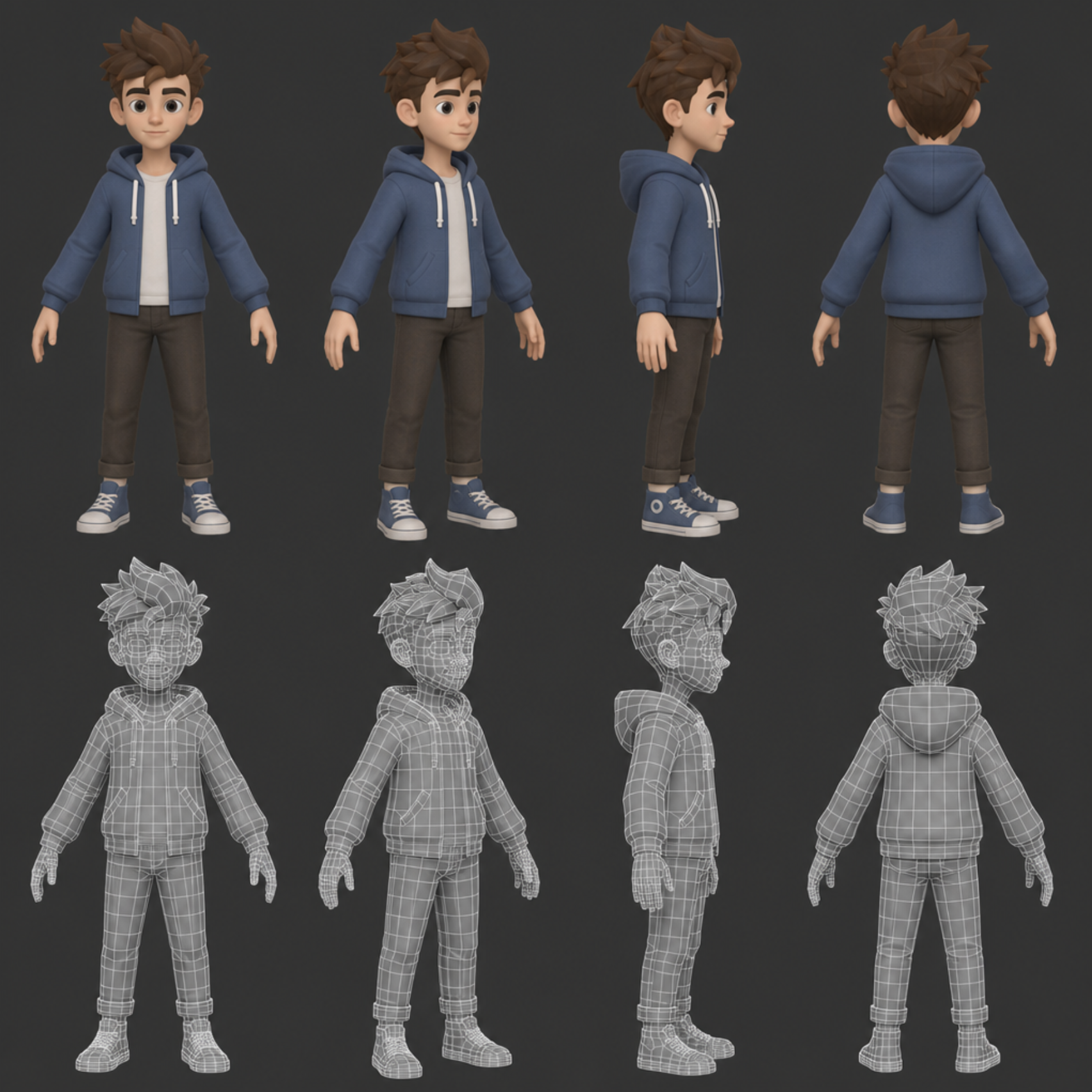
Character conceptualization and 3D modeling used to take weeks of iteration. Now, you can use image generators like Midjourney to create stunning 2D concept art. You can then feed that 2D art into AI 3D generators (like Luma AI or CSM.ai) to instantly create a textured 3D mesh. While these meshes may need slight clean-up, they provide an incredible starting point.
### Breathing Life into Characters
Animation is another highly technical field. In traditional studios, developers constantly weigh the pros and cons of expensive motion capture vs manual keyframe animation. AI bridges this gap seamlessly. With modern AI video-to-animation tools, you can record yourself performing an action with a standard webcam, and the AI will extract the skeletal data to apply directly to your 3D character. It's motion capture without the expensive suits!
## Phase 4: World Building and Audio
A game is more than just mechanics and characters; it requires a living, breathing environment and an atmosphere that pulls the player in.
### Designing the Environment
When designing your levels, you must adhere to level design principles for player engagement—such as guiding the player's eye, balancing pacing, and creating rewarding exploration. AI procedural generation tools can block out entire cities, forests, or dungeons based on parameters you set. You can ask an AI to generate a layout that strictly follows these engagement principles, ensuring your levels are both fun and visually striking.
### Crafting the Soundscape
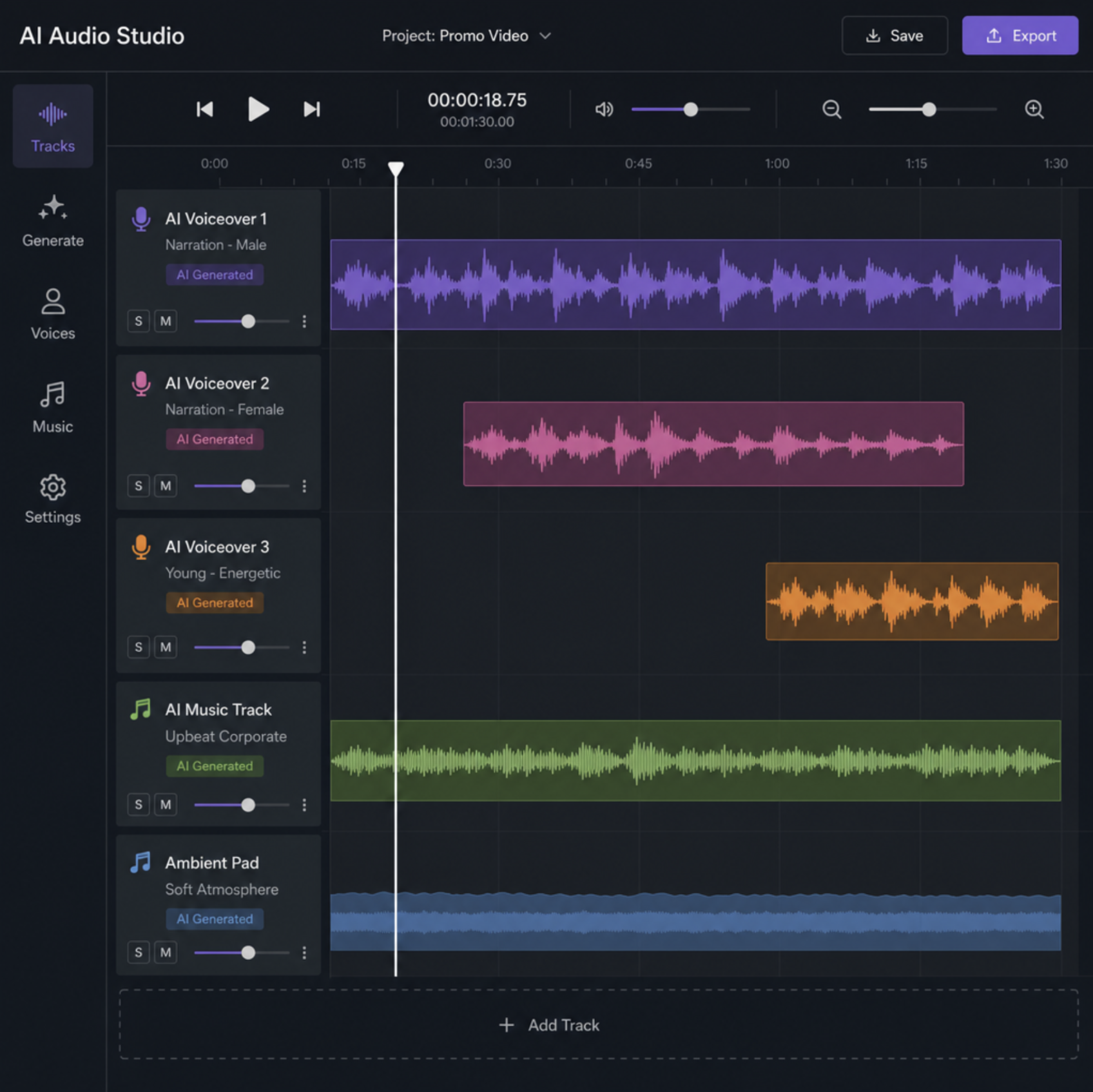
A massive part of the making of game magic lies in the audio. Creating immersive audio and soundscapes used to require expensive studio time. Now, you can use AI tools to generate custom, royalty-free background music tailored to the mood of your scene. Furthermore, AI voice cloning and generation platforms (like ElevenLabs) allow you to cast incredibly realistic voice actors for your NPCs, complete with emotional inflection and accents, for pennies on the dollar.
## Phase 5: Technical Execution and Teamwork
Even if you are a solo developer relying entirely on AI, treating the AI as your "team" requires professional technical practices.
### Managing Your Code
As your game grows, the codebase will become complex. It is highly recommended to use source control for collaborative programming (like Git/GitHub). Because AI can sometimes confidently write broken code, committing your working code regularly ensures you can easily roll back if the AI suggests an update that breaks your game.
### Performance Optimization
No one likes a laggy game. AI can act as your technical director, analyzing your scripts and suggesting ways of optimizing game performance for multiple platforms. Whether you are targeting a high-end PC, a console, or a mobile device, AI can help you identify memory leaks, optimize draw calls, and reduce polygon counts without sacrificing visual fidelity.
## Phase 6: QA Testing and Polishing
The gaming community's expectations are higher than ever. Look at online forums, and you'll constantly see players asking, "are they making another god of war game?"—a testament to the deep love gamers have for highly polished, bug-free, masterfully crafted AAA experiences. If indie developers want to capture even a fraction of that loyalty, polish is non-negotiable.
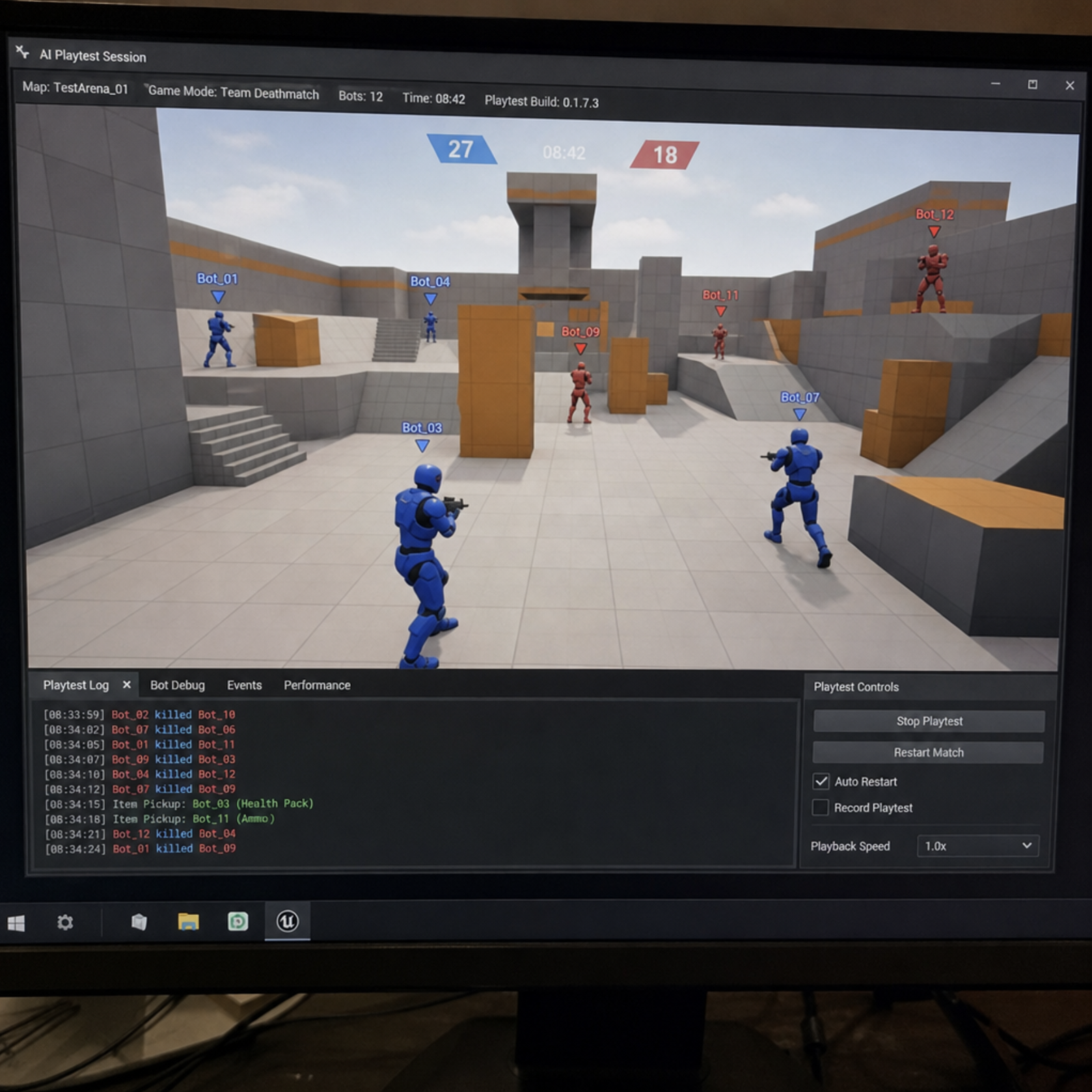
This highlights the absolute importance of quality assurance testing. Typically, QA requires dozens of human testers trying to break the game. Today, developers can train AI bots through machine learning to playtest their games 24/7. These bots can run into every wall, use every item combination, and log error reports automatically.
Game design tips for QA:
- Use AI to simulate thousands of playthroughs to balance your game's economy or difficulty curve.
- Have an LLM read through your error logs to pinpoint the exact line of code causing a crash.
## Phase 7: Launch and Post-Release
Your game is finished, but the journey isn't over. Getting your game into the hands of players requires a smart approach to marketing and community management.
### Marketing Your AI-Assisted Game
Developing a strong publishing and marketing strategy for indies is notoriously difficult. AI can act as your marketing agency. You can use it to:
- Write compelling Steam or app store descriptions.
- Generate engaging social media copy and schedule posts.
- Analyze trending keywords to ensure your game gets organic visibility.
- Help edit and structure your game's launch trailer for maximum impact.
### Supporting Your Community
Once the game is live, you enter the phase of post-launch maintenance and player feedback loops. Keeping players happy means listening to them. You can use AI sentiment analysis tools to scrape hundreds of reviews from Steam, Reddit, and Discord, instantly summarizing what players love and what bugs are frustrating them. This allows you to prioritize your next patch efficiently and keep your community engaged.
## The Future of the Making of Game
Creating a video game entirely with AI is no longer a sci-fi fantasy; it is a practical reality. By acting as the creative director and letting AI handle the heavy lifting of coding, art generation, and sound design, solo developers can achieve results that previously required a full studio.
While AI cannot yet replace the human soul, creativity, and taste required to make a truly masterpiece game, it is the ultimate equalizer. It democratizes the tools of creation, ensuring that anyone with a brilliant idea has the power to bring it to life.
Whether you are building a game as a simple mobile puzzle or an expansive RPG, embracing AI at every step of your journey will save you time, money, and frustration. Embrace these AI game creation tools and foundational game design basics to streamline your game development process. The barrier to entry has officially been destroyed—so what kind of game will you create?