Game Designer Skills: Mastery & Career Growth
Discover the essential skills every game designer needs, from creativity to technical prowess. Enhance your career in game design with key insights and tips.
July 16, 2026 · Tutorials
## Essential Skills Every Game Designer Needs
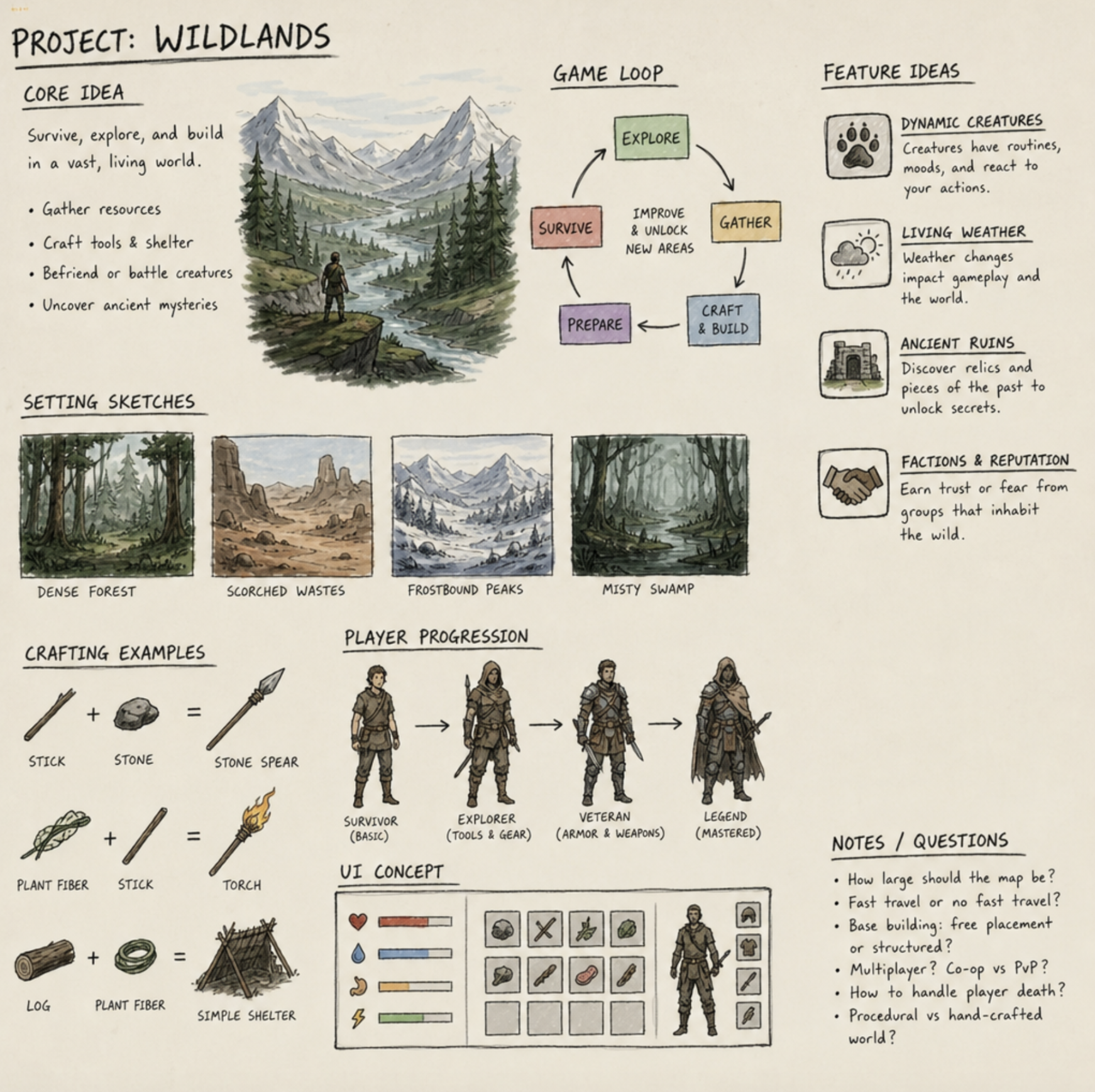
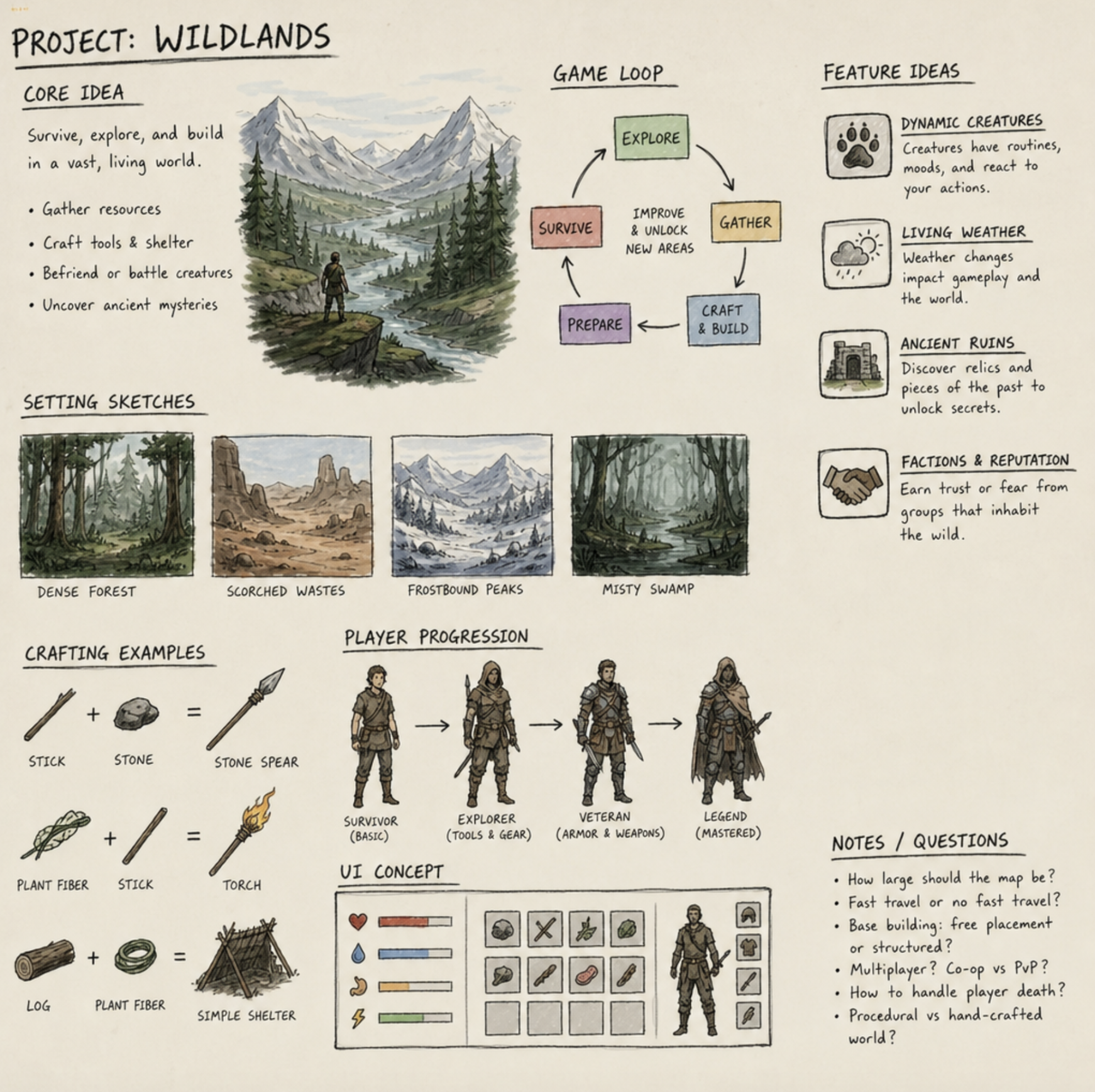
In the world of video games and video game design, the role of a game designer is both exciting and challenging. Game designers are the creative minds behind the games we love. They blend art, technology, and storytelling to create immersive experiences.
Designing games—often called design for games—requires a unique set of skills. From understanding game mechanics to mastering programming languages, a game designer's toolkit is diverse. Creativity is at the heart of game design and design in games, driving the creation of unique and engaging concepts.
Collaboration is key in this field. Game designers often work with artists, programmers, and writers to bring their visions to life. Effective communication ensures that everyone is on the same page.
Staying updated with industry trends and technologies is crucial. The gaming world evolves rapidly, and designers must adapt to remain relevant. This article explores the essential skills every aspiring game designer needs to succeed in video game design.
## What Does a Game Designer Do?
A game designer crafts the core experience of a video game. If you're looking for a concise game designer job description, they develop concepts and storylines that capture players' imaginations. This includes scripting plots and designing game levels. Each element is meticulously planned to enhance player engagement and enjoyment.
Game designers also create rules and mechanics. These define how a game is played and challenge players to think creatively. The mechanics ensure gameplay is smooth, challenging, and rewarding.
Their role often involves sketching ideas and wireframing user interfaces. This visual planning helps conceptualize how players will interact with the game. Designers must be adept at visualizing the bigger picture.
Collaboration is essential. Game designers coordinate with a team of developers, artists, and writers to bring the game to life. Teamwork ensures every aspect aligns with the initial vision. These responsibilities sit at the heart of video game design.
Here are key tasks a game designer typically performs:
- Story and Plot Development: Creating engaging narratives and dialogue.
- Mechanics Design: Defining game rules and systems.
- Level Design: Crafting environments and challenges.
- Team Collaboration: Working closely with other departments.
- Playtesting: Evaluating gameplay experience.
## Core Technical Skills for Game Designers
Technical skills form the backbone of a game designer's toolkit. Proficiency in programming languages such as C++ or Python is highly beneficial. These languages help in scripting game mechanics and functions.
Familiarity with graphic design tools is crucial. Tools like Adobe Photoshop and 3D modeling software, like Blender, aid in creating visual elements. These skills ensure that game assets look polished and professional.
Understanding game engines is also important. Engines like Unity and Unreal Engine are industry standards. Mastering these platforms enables designers to bring their concepts to life seamlessly.
Sound design knowledge can enhance a game's atmosphere and immersion. Designing audio elements that sync well with visuals creates a cohesive experience. This includes background music and sound effects that complement gameplay.
Here are some core technical skills essential for game designers:
- Programming Languages: C++, Python, or Lua.
- Graphic Design and 3D Modeling: Photoshop, Blender.
- Game Engine Mastery: Unity, Unreal Engine.
- Sound Design Basics: Audio mixing and effects.
- UI/UX Design: Creating intuitive user interfaces.
Technical proficiency allows designers to overcome practical challenges in game development. Thus, staying updated with the latest software tools can significantly enhance a designer's capabilities. These skills are indispensable for crafting games that are both visually and technically impressive.
## Creativity and Concept Development
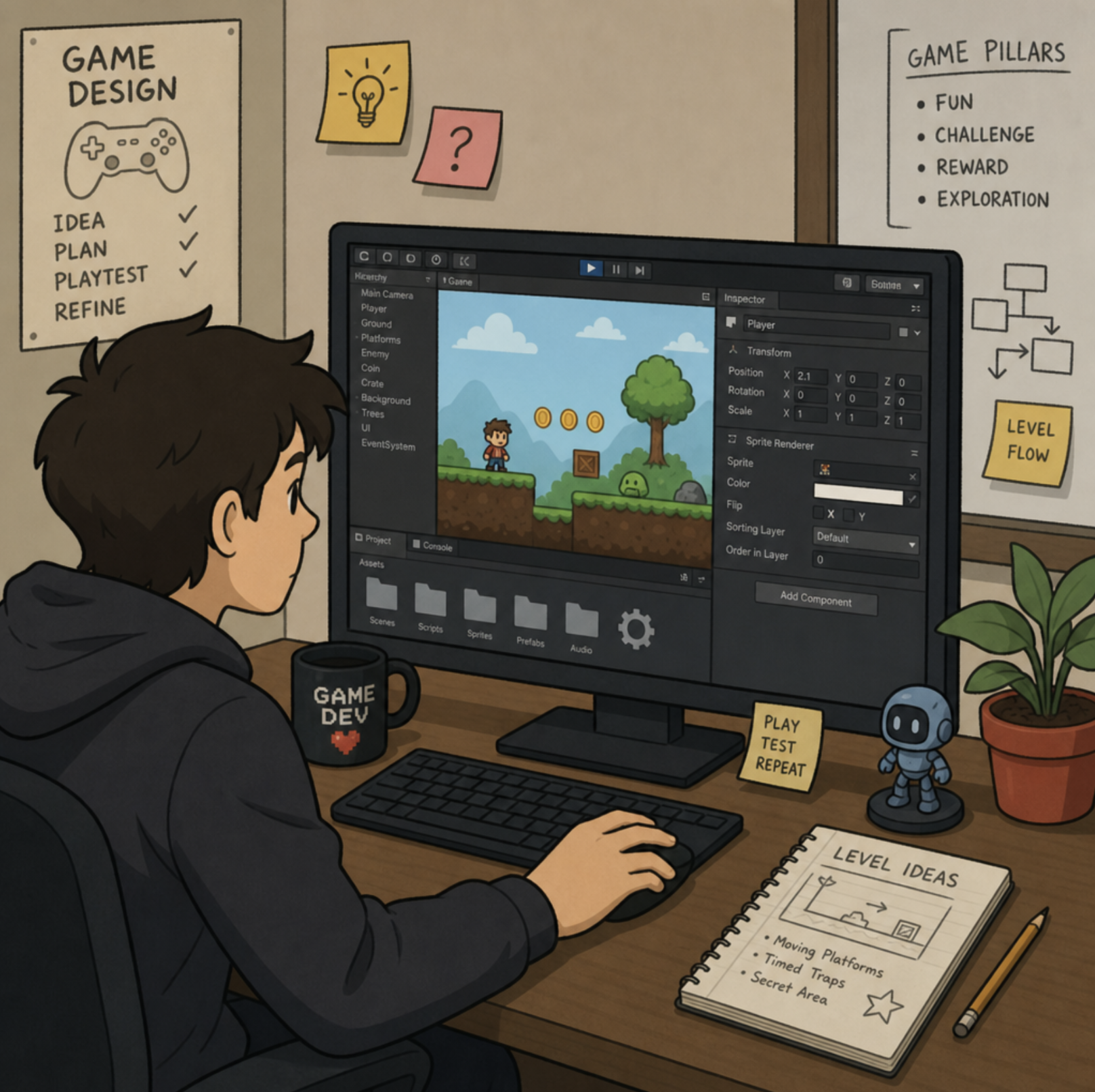
Creativity is the lifeblood of game design. It shapes game worlds and crafts engaging stories. A game designer draws from imagination to create unique experiences.
Concept development is where ideas take form. Here, a rough vision becomes a detailed plan. This involves brainstorming sessions and sketching initial ideas.
Inspiring games captivate through originality. A designer should explore different media for inspiration. Films, books, and art can ignite creative sparks.
Prototyping is a crucial part of concept development. It allows designers to test ideas early on. A quick prototype can reveal the potential and pitfalls of an idea.
Key aspects of creativity and concept development include:
- Brainstorming: Generating diverse ideas.
- Storytelling: Crafting engaging narratives.
- Inspiration: Drawing from varied sources.
- Prototyping: Testing concepts early.
- Innovation: Creating unique mechanics and worlds.
By nurturing creativity, game designers can transform simple ideas into captivating adventures. This skill ensures games not only look great but also engage players on deeper levels.
## Understanding Game Mechanics and Player Psychology
Game mechanics are the foundation of any game. They define how a player interacts with the game environment. Understanding these mechanics is crucial for designing engaging games.
A game designer must consider the balance between challenge and reward. This balance keeps players interested and motivated. It encourages players to continue playing and exploring.
Player psychology is another vital aspect of game design. Knowing what drives players can guide design choices. It's about creating experiences that are both enjoyable and rewarding.
Designers need to understand what makes games addictive. They must create mechanics that are intuitive yet engaging. This requires a deep dive into player motivations and behaviors.
Key elements of understanding game mechanics and player psychology include:
- Challenge and Reward: Balancing difficulty with satisfaction.
- Motivation: Identifying what engages players.
- Addiction: Understanding addictive mechanics.
- Intuition: Designing intuitive interactions.
by [Samsung Memory](https://unsplash.com/@samsungmemory)
Through a clear grasp of mechanics and psychology, designers can craft games that resonate with players on multiple levels. This understanding helps keep players coming back for more.
## Communication and Collaboration in Game Design
Effective communication is critical in game design. Without it, ideas can become lost or misunderstood. Designers need to express their visions clearly to their teams. Clear communication also shapes design in games from concept to launch.
Collaboration is equally important in this creative field. Game design often involves working with artists, programmers, and writers. A cohesive team can transform ideas into captivating games.
Clear communication helps to align team members with the project's goals. It ensures that every member understands their role and responsibilities. Miscommunication can lead to delays and setbacks.
Successful collaboration can enhance creativity and innovation. It encourages the sharing of diverse ideas and perspectives. This blend of skills can lead to unique and compelling game experiences.
Key elements in communication and collaboration include:
- Clarity: Articulating ideas and feedback clearly.
- Teamwork: Working seamlessly across different disciplines.
- Alignment: Keeping everyone on the same page.
- Innovation: Encouraging diverse input for creative solutions.
By fostering an environment of open communication and effective collaboration, game designers can elevate their projects and reach greater success.
## Problem-Solving and Analytical Thinking
Game design is rife with challenges that demand creative solutions. Each issue encountered needs an innovative and practical approach. This is where problem-solving skills become invaluable.
Analytical thinking complements problem-solving by enabling designers to assess situations thoroughly. It involves breaking down complex problems into manageable parts. This skill helps in identifying root causes and implementing effective solutions.
Designers often face technical constraints and gameplay balancing issues. They must adapt and innovate to resolve these quickly. A keen analytical mind facilitates this adaptability, leading to better game experiences.
Key problem-solving and analytical skills include:
- Critical Thinking: Evaluating all aspects of a problem.
- Flexibility: Adjusting strategies as needed.
- Detail Orientation: Noticing small details that affect the larger picture.
- Decision Making: Choosing the best course of action rapidly.
Possessing strong problem-solving and analytical skills allows game designers to navigate the hurdles of game development with confidence and creativity.
## Staying Current: Trends, Tools, and Technologies
In the fast-paced world of game design, keeping up with trends is crucial. New technologies and tools emerge constantly, reshaping how games are made. Staying informed ensures that designers remain competitive.
Understanding game engines like Unity and Unreal Engine is essential. These platforms provide the foundation for creating immersive experiences. Familiarity with these tools allows designers to leverage their features effectively.
Additionally, virtual reality (VR) and augmented reality (AR) are transforming gameplay. Designers need to explore these technologies and their potential. Innovations in VR and AR can offer unique player interactions and narratives.
Key technologies and trends to follow include:
- Game Engines: Unity, Unreal Engine
- VR and AR: Next-gen gameplay experiences
- AI and Machine Learning: Enhancing game dynamics
- Blockchain: Emerging in gaming economies
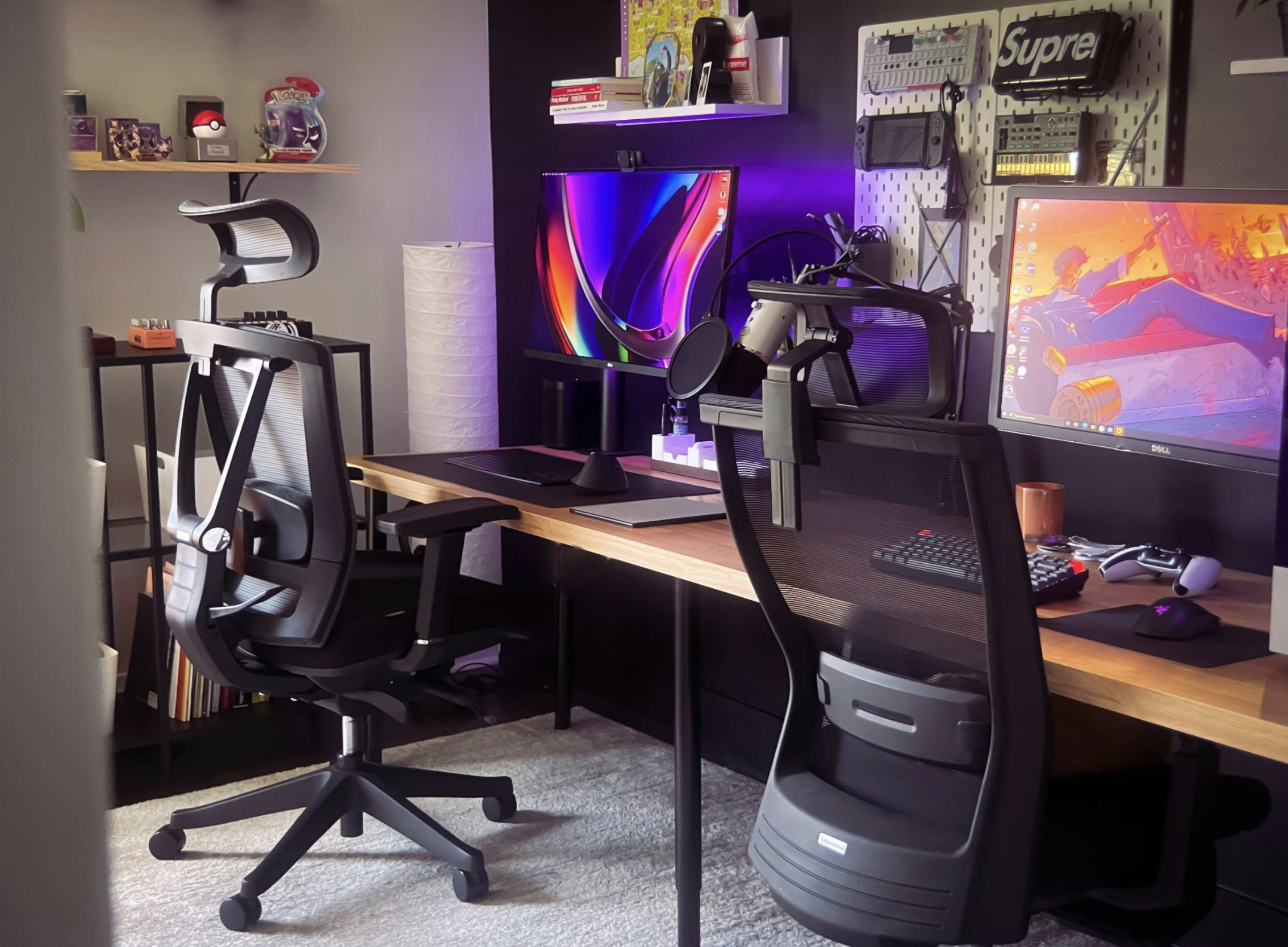
by [Dennis Cortés](https://unsplash.com/@cortes)
By staying current, designers can innovate and improve their projects continually. Embracing new tools enables the creation of exciting and relevant games.
## Building a Strong Portfolio and Networking
A game designer's portfolio is their ticket to industry recognition. It showcases skills, creativity, and completed projects. A well-crafted portfolio can set a designer apart in a competitive field.
Including diverse projects is critical. Show a range of skills by highlighting various game genres and styles. This diversity demonstrates versatility and adaptability to potential employers.
Networking is equally important for career growth. Building connections within the industry opens doors to opportunities. Engaging with other designers, developers, and studios can lead to collaborations and job offers.
Key elements for a compelling portfolio and networking include:
- Diverse Projects: Display multiple game styles
- Industry Events: Attend conferences and gaming expos
- Online Presence: Use platforms like LinkedIn and ArtStation
- Community Engagement: Join forums and group discussions
Both portfolio and networking efforts position designers for success. They amplify visibility and create pathways to advance in the game design world.
## Benefits and Career Growth for Game Designers
Choosing a career in game design offers numerous benefits. The field merges creativity with technology, leading to both personal and professional fulfillment. Game designers can turn imaginative ideas into interactive experiences.
Competitive salaries and job stability are key financial benefits. As the gaming industry continues to expand, demand for skilled designers rises. Opportunities for career advancement are plentiful, with paths leading to senior roles and leadership positions.
The evolving nature of game design provides constant learning opportunities. Designers often learn new technologies and trends, keeping the work dynamic and engaging. This ongoing education can pave the way for exciting career advancements.
In short, key benefits for video game designer roles include:
- Creative Fulfillment: Express ideas through games
- Financial Rewards: Competitive salaries and bonuses
- Professional Growth: Advancement to senior roles
- Lifelong Learning: Continuous skill development
These advantages make game design a rewarding and ever-evolving career choice.
## Conclusion: Lifelong Learning in Game Design
Game design is not a static field. It evolves as technology and player preferences change. To stay relevant, continuous learning is essential. Embracing new tools and techniques keeps designers competitive in the industry.
A passion for learning fuels creativity and innovation. Game designers who continually update their skills can bring fresh perspectives to their work. This adaptability enhances their ability to create engaging and cutting-edge games.
Dedication to lifelong learning opens doors to exciting opportunities. It helps designers climb the career ladder, from junior roles to industry leaders. Success in game design relies on an ongoing commitment to growth and development. This mindset ensures designers remain at the forefront of the game industry.